Topic
The recent US government shutdown, which lasted for 35 days, has now come to an end. The shutdown occurred due to a deadlock between President Donald Trump and Congress over funding for a border wall with Mexico. This resulted in a lapse of funding for various government agencies, impacting around 1.4 million federal employees who went without pay during this period.
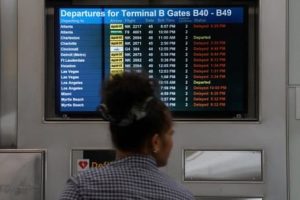
The consequences of the shutdown were far-reaching, with many low-income Americans experiencing disruptions in services such as food assistance. Additionally, the shutdown caused delays in essential government functions, affecting services ranging from airport security to national parks.
The resolution of the shutdown came about as a temporary measure to fund the government for three weeks, allowing federal employees to return to work and receive their back pay. However, the underlying issues that led to the shutdown remain unresolved, with ongoing debates and negotiations expected to continue in the coming weeks.
The impact of the shutdown serves as a reminder of the challenges and consequences that arise when there is a failure to reach a consensus on critical government funding issues. Moving forward, it is crucial for policymakers to work towards finding sustainable solutions to prevent future disruptions to essential government services and the livelihoods of millions of Americans.
Liberal Perspective
The recent US government shutdown was a disgraceful display of political incompetence, and the blame lies squarely with the Republicans. Their refusal to compromise on funding for a border wall led to the shutdown, causing 1.4 million federal employees to go without pay and disrupting vital services for low-income Americans. The Republicans put their own interests above the well-being of the country, showing a blatant disregard for the consequences of their actions. It is time for them to be held accountable for their reckless behavior and prioritize the needs of the American people over their own political agendas.Conservative Perspective
The US government shutdown was a disaster, and guess who we can blame for it? That's right, the Democrats. Their refusal to compromise and approve funding for border security measures led to this mess. As a result, over 1.4 million federal employees suffered, low-income Americans went without crucial assistance, and essential services were delayed. It's clear that the Democrats put their own agenda above the well-being of the country. Let's hold them accountable for this unnecessary chaos and demand better leadership in the future.
Subscribe
0 Comments
Newest
Oldest
Most Voted
Inline Feedbacks
View all comments